Dark spots and hyperpigmentation: what actually causes them and how to fade them.
If you have ever stared in the mirror at a dark mark that refused to fade you are not alone. Dark spots are one of the most common skin concerns for Filipinos. But not all dark spots are the same. They have different causes, different depths, and they respond to different treatments.
What is actually happening in your skin
All dark spots and hyperpigmentation come from one source: excess melanin. Melanin is the pigment that gives your skin its colour. Your skin produces it through a process called melanogenesis, triggered by an enzyme called tyrosinase. When something disrupts your skin a pimple, a sunburn, a hormonal shift tyrosinase goes into overdrive and produces more melanin than your skin needs in that area.
That excess melanin gets deposited in your skin cells and shows up as a dark patch, mark, or spot. The challenge is that once melanin is deposited, it does not disappear on its own quickly. Without the right ingredients actively working to break it down and suppress further production, dark spots can persist for months or even years.
Filipino skin tends to produce melanin more aggressively in response to inflammation and UV exposure than lighter skin tones. This is why we are more prone to post-acne marks and why sun protection is not optional it is essential.
The 4 types of dark spots and why the cause matters
The ingredients that actually work
Not all brightening ingredients are created equal. Some work on the surface. Some work at the cellular level. The most effective approach uses a combination that targets melanin production at multiple points.
L-Glutathione the master brightener
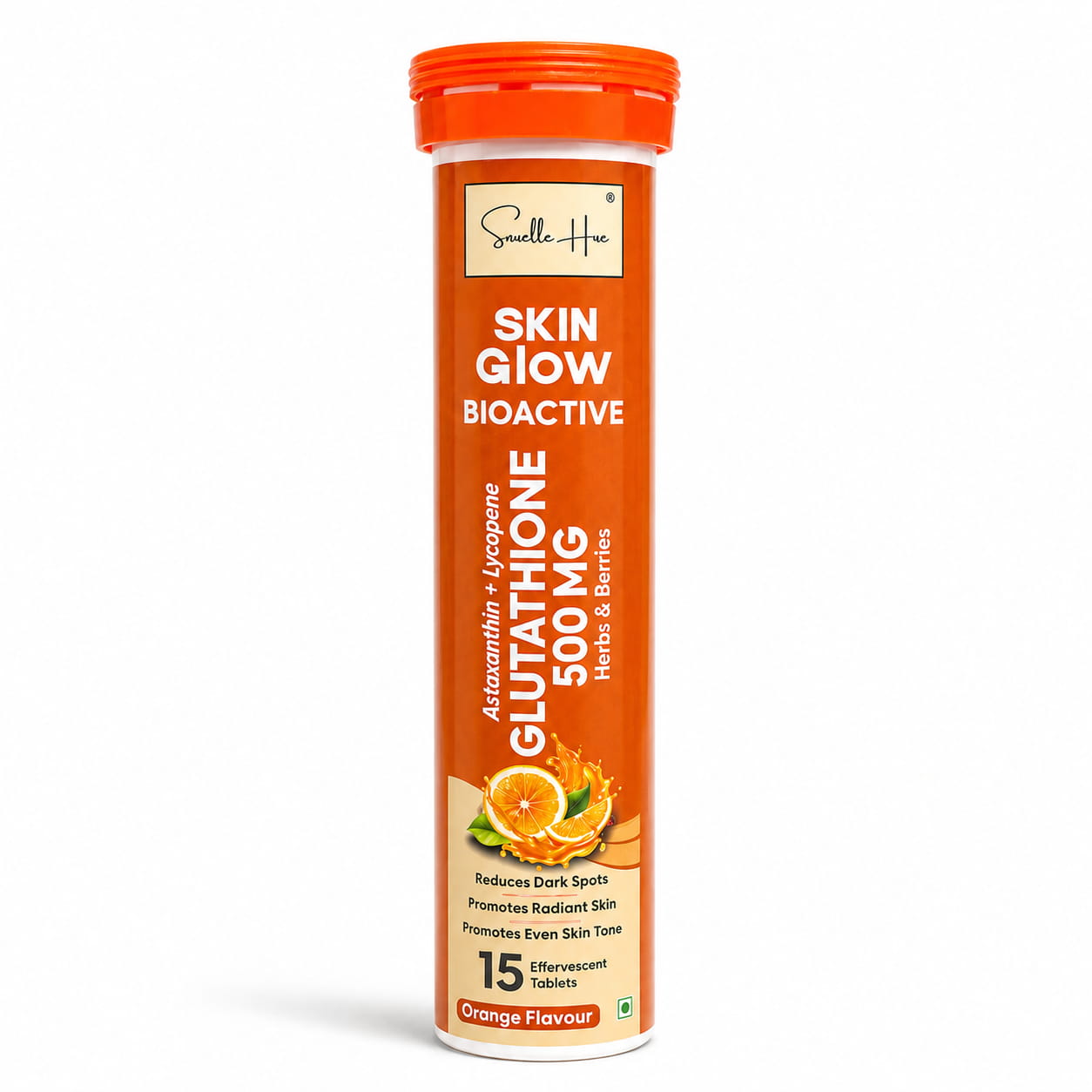
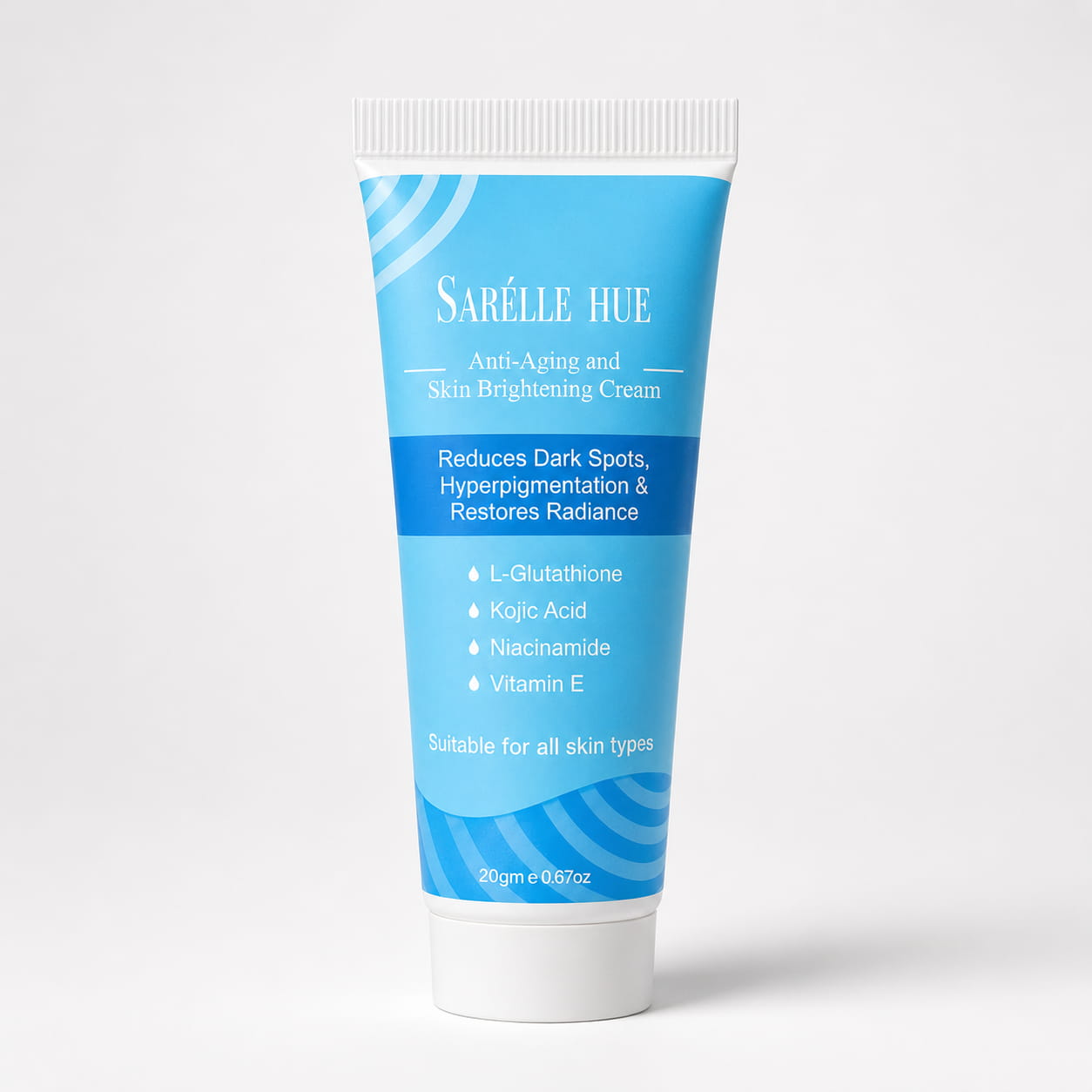
Glutathione is the most well-known brightening ingredient in the Philippines and for good reason. Applied topically, it inhibits tyrosinase the enzyme that triggers melanin production at the cellular level. It also shifts melanin production from darker eumelanin to lighter phaeomelanin, gradually brightening overall skin tone. For maximum effect, use it both topically and as a daily oral supplement.
Kojic Acid nature's melanin suppressant
Derived from fungi, Kojic Acid is one of the most studied natural brightening ingredients. It chelates copper ions that tyrosinase needs to function effectively cutting off the enzyme's ability to produce melanin. It is particularly effective on PIH and sun spots. Kojic Acid works synergistically with Glutathione, making both more effective when used together.
Niacinamide (Vitamin B3) the melanin blocker
Niacinamide does something slightly different it does not suppress melanin production but rather blocks the transfer of melanin from the melanocytes (where it is made) to the surrounding skin cells (where it shows up as a dark spot). This makes it a powerful complement to Kojic Acid and Glutathione, attacking the problem at a third point in the pigmentation process.
Vitamin C the antioxidant brightener
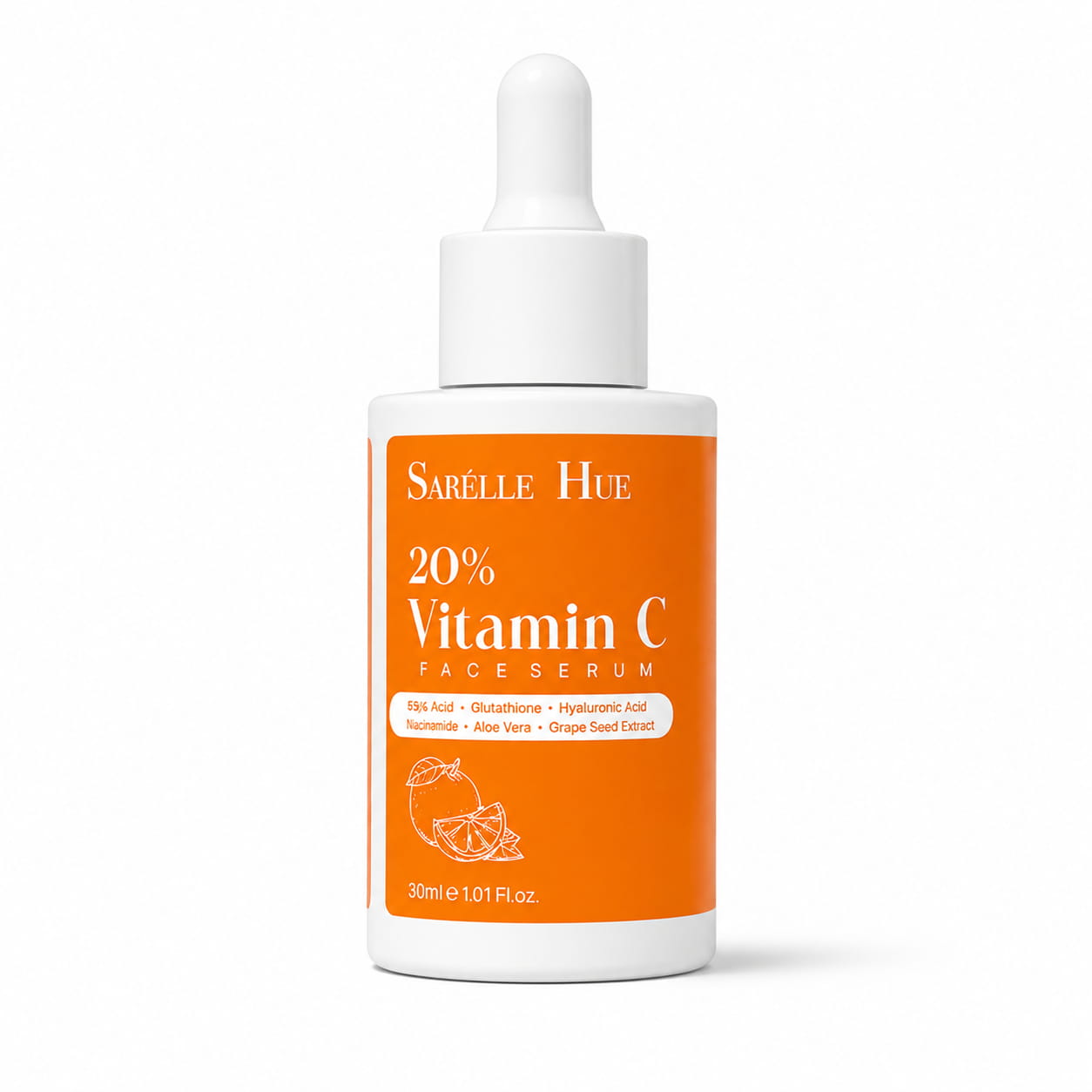
Vitamin C neutralizes free radicals from UV damage that would otherwise trigger additional melanin production. It also directly inhibits tyrosinase and works with Glutathione to keep both actives more stable and potent. At 20% concentration, it delivers faster visible brightening than lower-percentage formulas.
The complete dark spot routine
What to expect an honest timeline
⚠️ The single biggest mistake people make is stopping too early. Dark spots did not appear overnight and they will not disappear overnight. If you stop your routine at week 3 because you are not seeing dramatic results, you are quitting right before the breakthrough. Commit to 6 full weeks before evaluating.
The one thing that will undo all of your progress
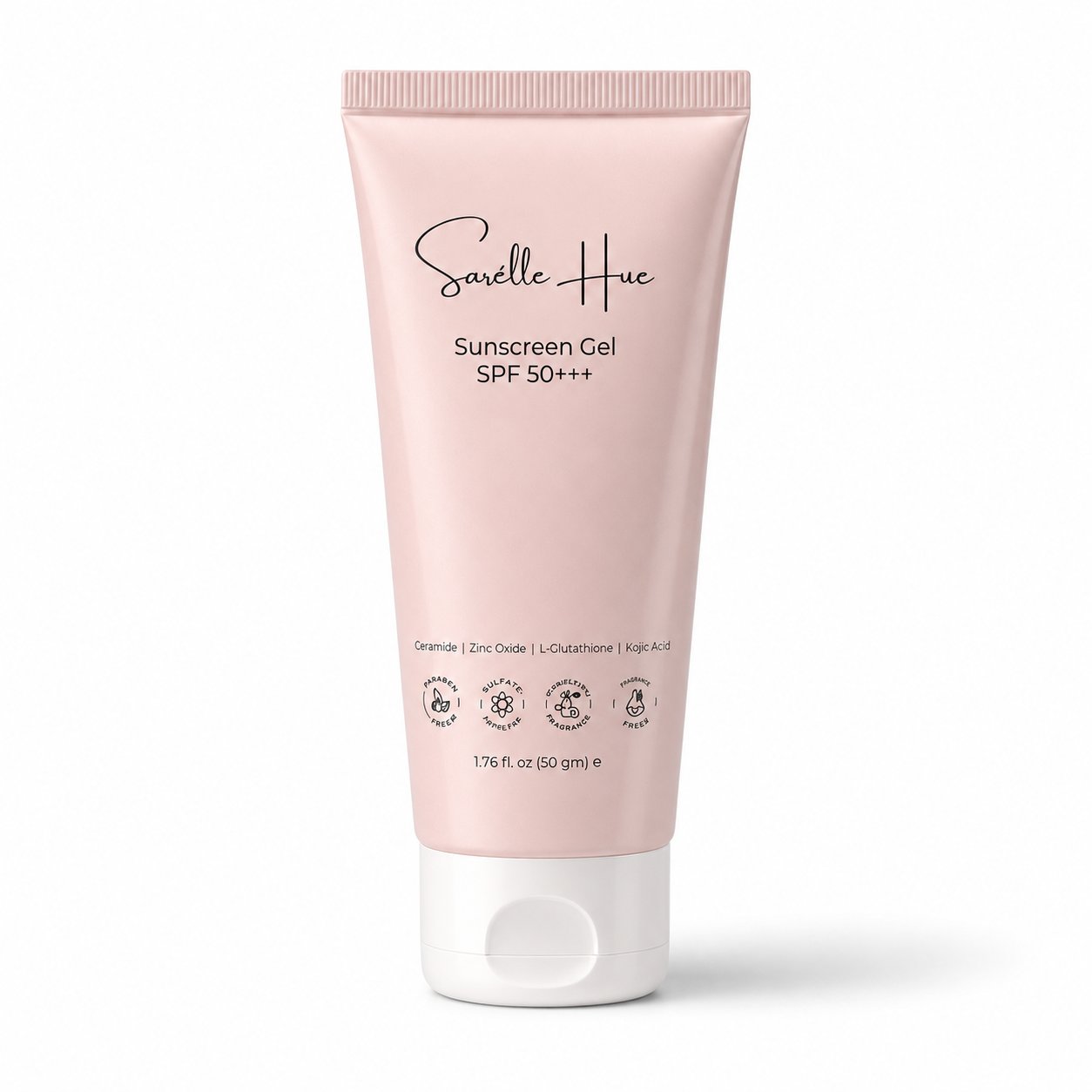
Skipping sunscreen. Every time your skin is exposed to UV rays without protection, it triggers a fresh wave of melanin production directly in the spots you are trying to fade. You can use every brightening serum and cream available and make zero net progress if you are not wearing SPF 50 every single morning. Sunscreen is not a nice-to-have when you are treating hyperpigmentation. It is as important as the brightening ingredients themselves.